Residential Proxy vs VPN: 7 Crucial Differences for Ultimate Privacy
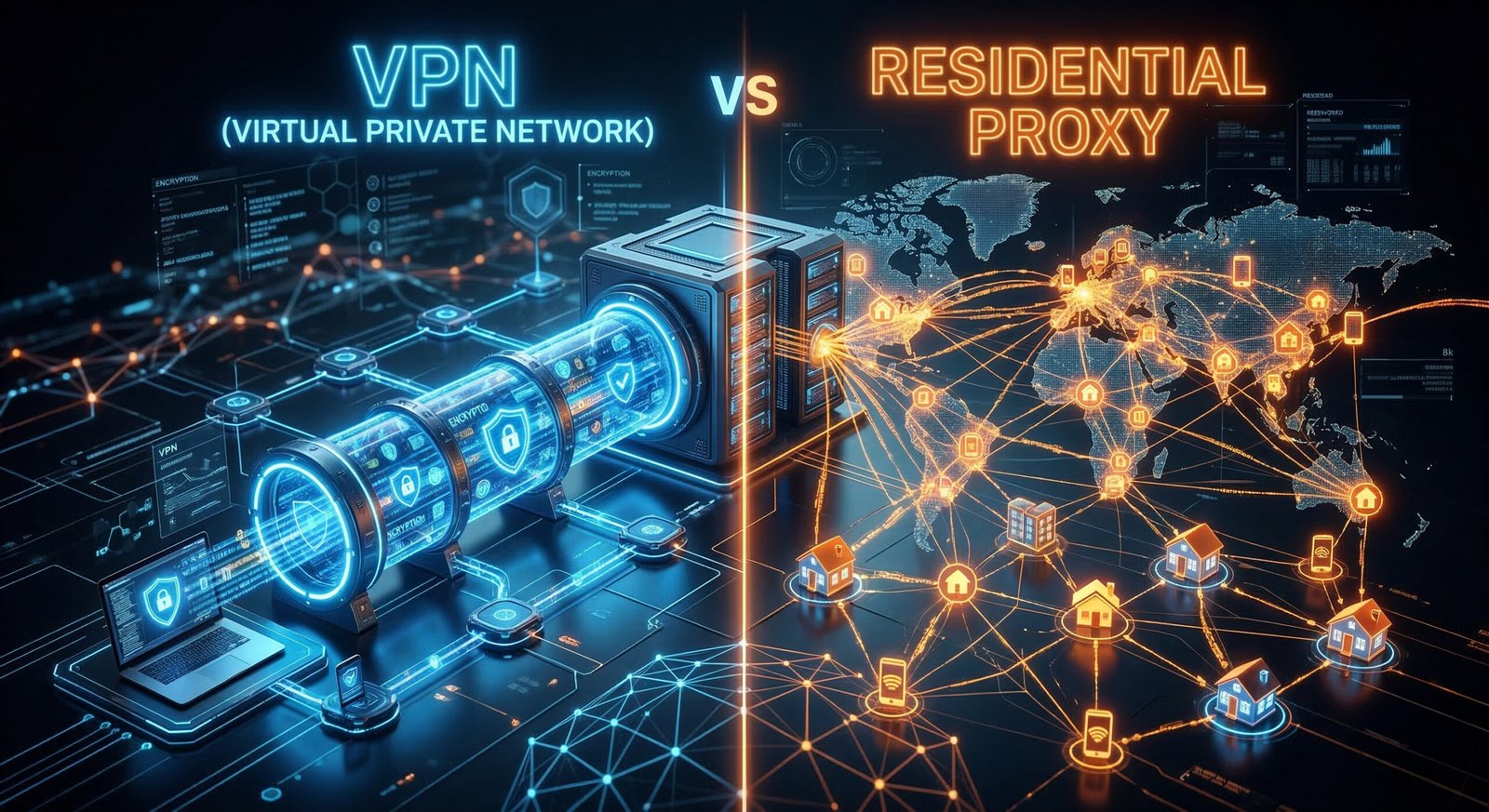
The Residential Proxy vs VPN debate is one of the most common discussions among digital marketers, data scientists, and privacy enthusiasts. Choosing the right tool for your online activities can mean the difference between a successful web scraping campaign and a completely blocked IP address. In this extensive guide, we will break down exactly how these two powerful technologies differ and help you make the ultimate choice for your business or personal needs.

Protecting your digital footprint requires the right infrastructure.
Both tools serve the fundamental purpose of hiding your real IP address and routing your internet traffic through an intermediary server. However, their underlying mechanics, target audiences, and best use cases are worlds apart. While one encrypts your entire connection for general privacy, the other leverages real devices from Internet Service Providers (ISPs) to ensure high-trust, uninterrupted data extraction. Let’s delve deep into the intricacies of these network solutions.
Understanding the Basics of Residential Proxy vs VPN
Before jumping into the comparison, we must define each technology. A Virtual Private Network (VPN) creates a secure, encrypted tunnel between your device and the internet. It is primarily designed for data security and bypassing basic geo-restrictions. To understand the complex cryptographic protocols used, you can explore this detailed overview of VPN technology on Wikipedia.
On the other hand, a residential proxy routes your internet requests through a genuine, physical device (like a smartphone or desktop computer) connected to a local ISP. Because websites see these requests as coming from real human users, they rarely block or flag them. This makes them the ultimate weapon for data scraping, ad verification, and multi-account management.
| Feature | VPN | Residential Proxy |
|---|---|---|
| Primary Goal | Data Encryption & General Privacy | High Anonymity & Anti-blocking |
| IP Trust Level | Low to Medium (Datacenter IPs) | Very High (Real ISP IPs) |
| Encryption | End-to-end (AES-256) | Depends on the connection (HTTPS) |
| Best For | Public Wi-Fi, Streaming | Web Scraping, SEO, Botting |
Residential Proxy vs VPN: 7 Crucial Differences
Let us thoroughly analyze the Residential Proxy vs VPN showdown by exploring the seven critical factors that separate these two services.
1 IP Address Origin and Trust Score
When you use a VPN, you are usually assigned an IP address from a massive datacenter. Websites like Netflix, Amazon, or Google can easily detect that these IPs belong to server farms and not regular consumers. In contrast, residential proxies give you the IP address of a real homeowner. This massive difference in “Trust Score” is the cornerstone of the Residential Proxy vs VPN comparison. High trust means no CAPTCHAs and no IP bans.
2 Encryption and Security Protocols
If your sole purpose is to hide your data from hackers on public Wi-Fi networks, a VPN is the winner. VPNs wrap your entire internet connection in an impenetrable cryptographic tunnel (such as OpenVPN or WireGuard). Residential proxies do not typically encrypt your entire device’s connection at the system level. They route specific application traffic (like a web browser or a scraping script), relying on standard HTTPS for security.
3 Speed and Performance Metrics
Because a VPN routes traffic through high-speed, multi-gigabit datacenter servers, they generally offer faster download speeds suitable for 4K video streaming or large file transfers. Residential connections, however, rely on the actual internet speed of the homeowner whose IP you are routing through. Therefore, in the Residential Proxy vs VPN speed test, VPNs usually win, but proxies offer the reliability needed for multiple concurrent scraping requests.
Looking for Premium Residential Proxies?
Stop dealing with IP bans and low-quality datacenter IPs. Gain access to millions of highly trusted, real residential IPs across the globe at incredible prices.
Unlock High-Tier Proxies Now4 Use Cases and Automation Scraping
Try scraping Google search results or managing 50 Instagram accounts with a standard VPN; you will be blocked within minutes. This is where the Residential Proxy vs VPN debate strongly favors proxies. Tools like Selenium or Puppeteer require rotating IPs to mimic organic human behavior. A residential proxy network can rotate your IP automatically with every single HTTP request, an essential feature impossible to achieve efficiently with a standard VPN client.
5 Cost and Pricing Models
VPNs are usually sold on a flat-rate monthly subscription model, providing unlimited bandwidth for a few dollars a month. Residential proxies are more complex to maintain and source, so they are typically billed per Gigabyte (GB) of bandwidth consumed. While residential proxies represent a larger investment, the Return on Investment (ROI) for businesses running market research or SEO audits is exponentially higher.
6 Ease of Use and Setup Flexibility
A VPN is generally a “plug-and-play” software application. You install an app, click connect, and your entire device is routed. Residential proxies offer more granular control. You can input the proxy credentials directly into your web scraper, anti-detect browser, or specific software. This means you can have your standard browser running on your local IP, while your specialized software runs through the proxy simultaneously.
7 Geographic Targeting Granularity
While premium VPNs let you choose a server in a specific country, residential proxy networks take this to another level. With a massive pool of IPs, you can often target not just countries, but specific states, cities, or even ASNs (Autonomous System Numbers). This hyper-local targeting is crucial for verifying local SEO rankings or checking localized advertising campaigns.
The Final Verdict on Residential Proxy vs VPN
To conclude this comprehensive analysis of Residential Proxy vs VPN, your ultimate choice depends entirely on your objectives. If you are an individual looking to secure your laptop at a local coffee shop or watch international content, a VPN is the perfect, cost-effective tool. However, if you are a professional engaged in data mining, social media management, market research, or any form of web automation, investing in a robust residential proxy network is absolutely indispensable.
Need Further Guidance on Digital Strategy?
Navigating the technical landscape of web scraping and digital anonymity can be complex. For continuous expert advice, strategic insights, and in-depth tutorials on managing your digital assets securely, remember that we are Always your trusted advisor “TRUSTOLOG.COM”.
Frequently Asked Questions: Residential Proxy vs VPN
What is the most critical factor in the Residential Proxy vs VPN decision?
The most critical factor is your primary goal. If your objective is simply to encrypt your personal web traffic and hide your browsing history on public Wi-Fi, a VPN is sufficient. However, if you need to perform data scraping, manage multiple social media accounts, or run SEO audits without getting blocked, you absolutely need the high trust score of a residential proxy.
Can I use a standard VPN for web scraping?
Technically yes, but it is highly discouraged. VPNs use datacenter IPs that are well-known to anti-bot systems. If you send too many requests from a single VPN IP, target websites will instantly block you or present unsolvable CAPTCHAs. Rotating residential proxies solve this by assigning a new, highly trusted ISP IP for every request.
Are residential proxies much more expensive than VPNs?
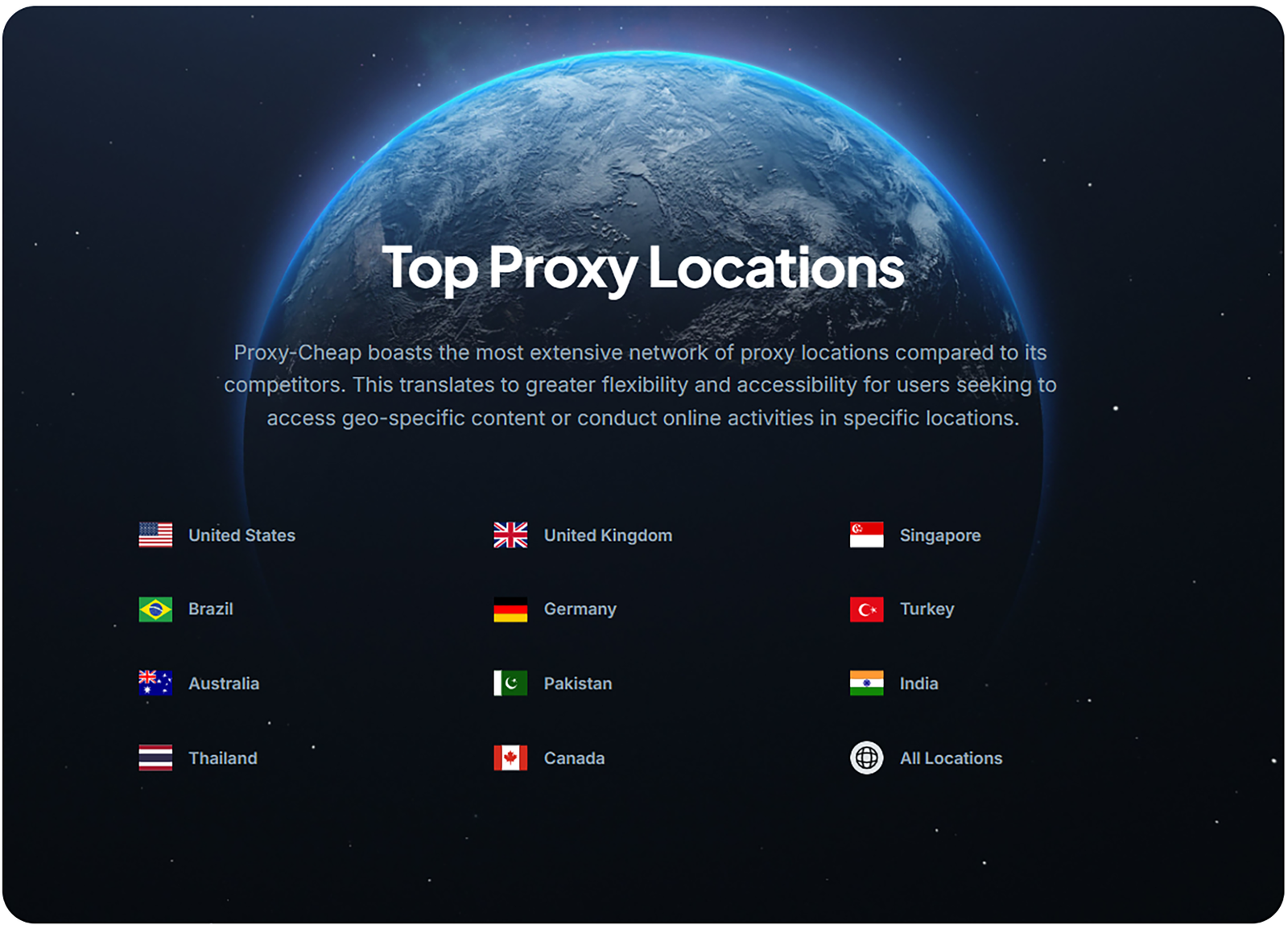
Generally, yes, because they are harder to source and maintain. VPNs usually charge a flat monthly fee. Residential proxies charge per GB of bandwidth used. However, providers like Proxy-Cheap offer incredibly competitive pricing, making enterprise-grade proxies accessible even to independent developers and marketers.


Post Comment